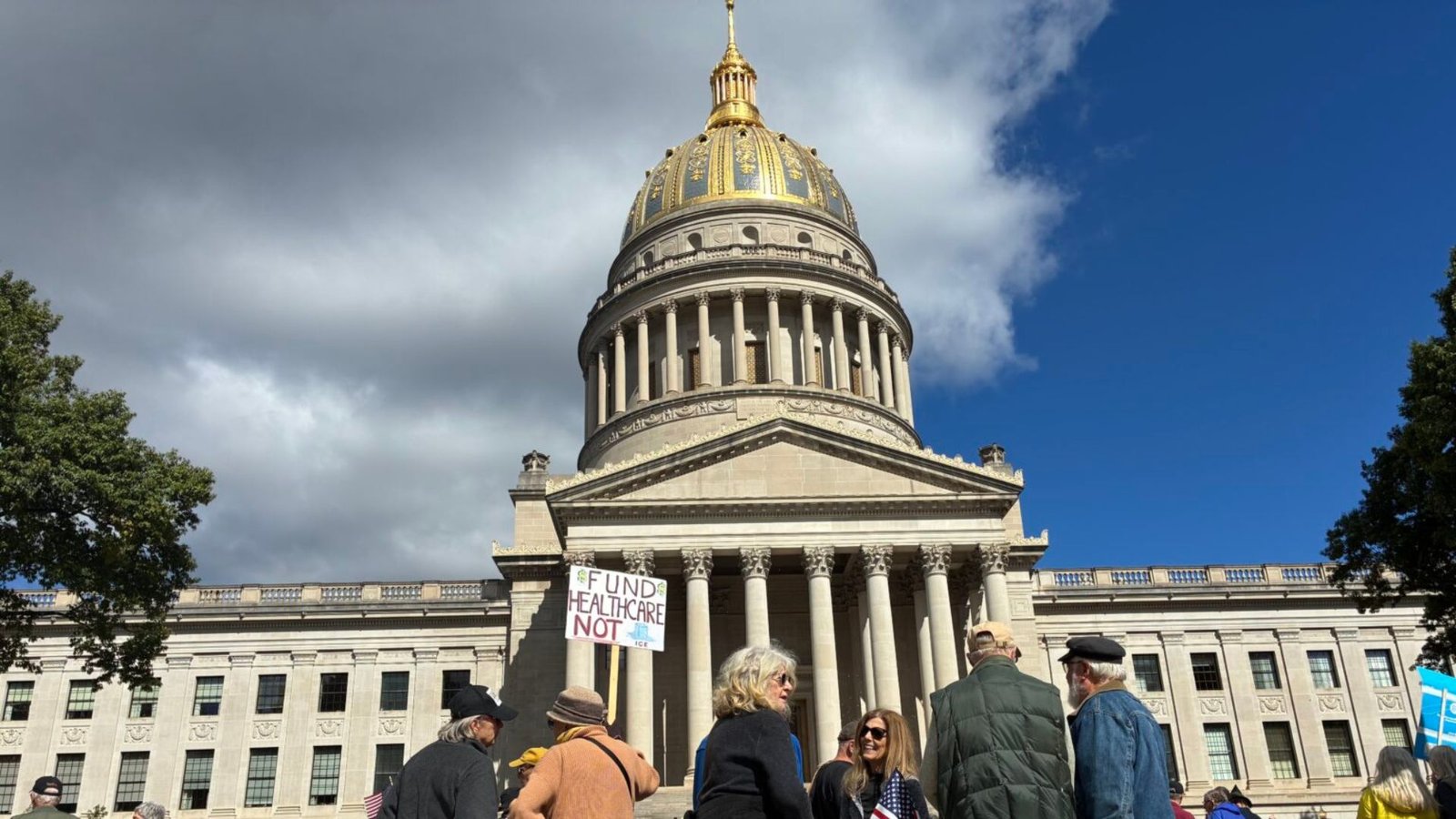
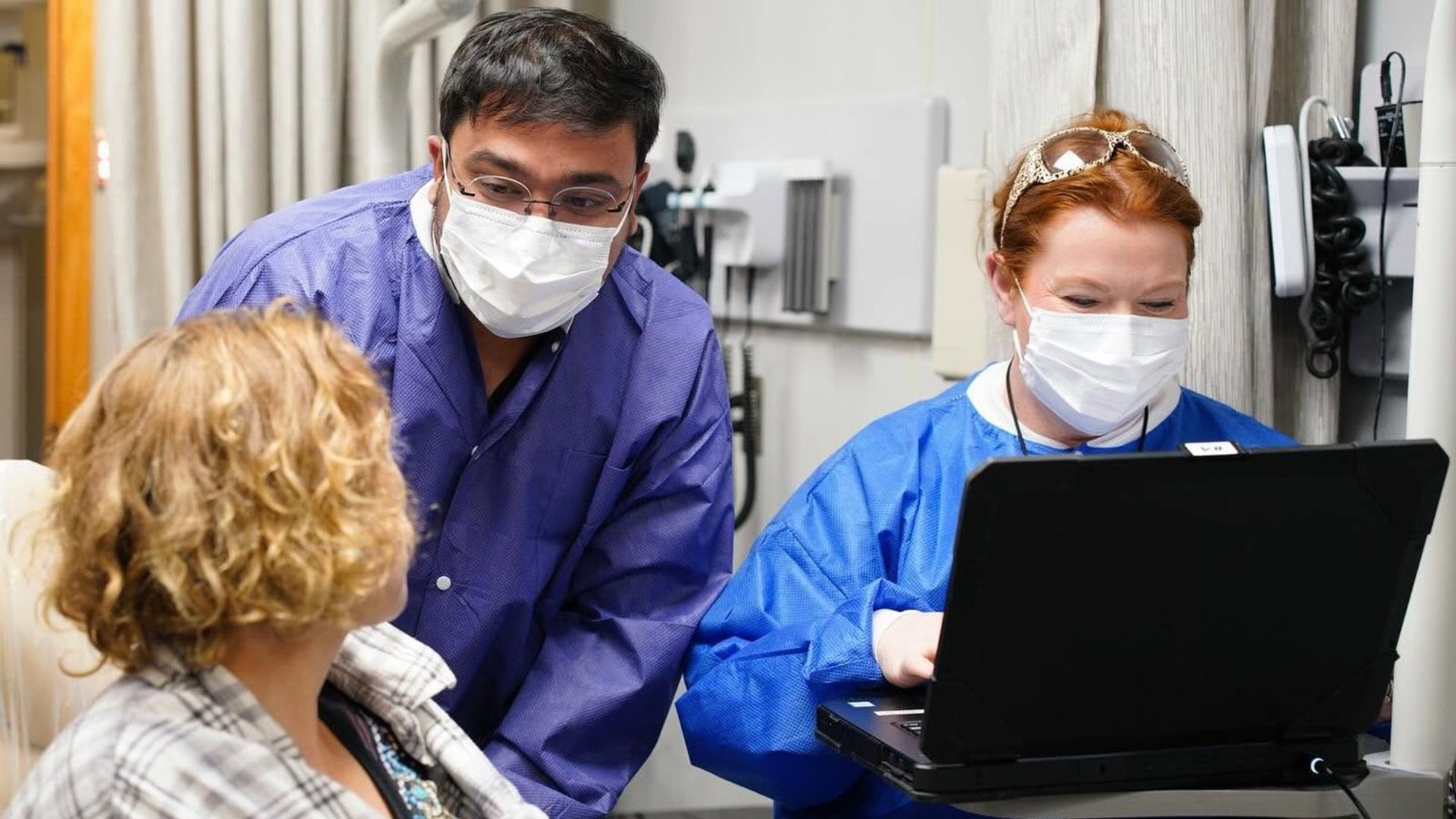
More than 400 people got medical, dental or vision care at a one-day free health care event in Charleston, West Virginia on Saturday.
West Virginia Health Right, a free and charitable clinic on Charleston’s East End, typically requires its patients to meet income restrictions, but on #WeCareWV Day there are no income questions asked.
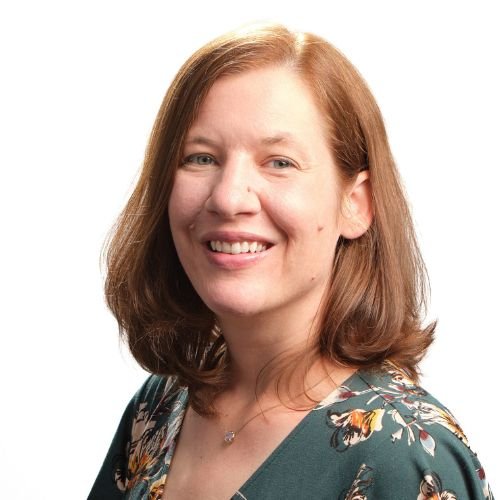
Health Right CEO Angie Settle said she’s glad the clinic hosts the event, but seeing the need in the community makes her sad.
“It makes me sad because I think we’re doing such a good job at West Virginia Health Right but there’s still a huge need,” she said. “And that’s why we do the event.”
Sen. Tom Takubo, R-Kanawha, is a physician who has volunteered with the annual free healthcare day most years since it started in 2016. Takubo said the need for free healthcare efforts like #WeCareWV Day will only increase in West Virginia in the coming month.
Beginning in January, many Medicaid recipients will have new work requirements under the One Big Beautiful Act.
An analysis by the state Department of Human Services earlier this year found that about 33,000 West Virginia residents would be affected by the changes. Policy analysts say eligible people will lose their health coverage because of the increased paperwork requirements.
Fewer people enrolled in plans this year under the Affordable Care Act as well, as costs for the program spiked.
“The hope is we bring in more high-paying jobs and things where people can have health coverage, but until then, this type of stuff is filling the gap,” Takubo said.
Takubo said he tries to convey to other lawmakers the need and what happens to people who don’t get regular healthcare.
“These are people with real needs that are trying to do better with what they have,” he said. “…That’s why what [Settle] does and what the whole team here does is important. There’s a lot of hurting West Virginians, and [Health Right] fills a huge gap.”
Richard Jaye, of Charleston, came to the #WeCareWV clinic to have a dental provider pull his teeth, he said.
“They’ve been hurting for years,” he said. Jaye’s health care coverage, Medicaid, limits the amount of dental work recipients can have to $2,000 per 2-year period.
Jaye works for his landlord and also does Doordash and other side jobs. He said he understands the principle behind the new work requirements, but he has concerns about the new rules.
His wife has medical problems that make it extremely difficult to work, he said. The couple is working on getting her disability benefits, but the state is “dragging their feet,” Jaye said. Until her disability is approved, his wife will be required to either work, train or volunteer for 80 hours a month in order to stay on Medicaid, he said.
She’s still considered “able-bodied” until the government sends her an official letter saying she’s disabled, he said.
“Even her doctors have sent them letters, and nobody cares that much enough,” he said.
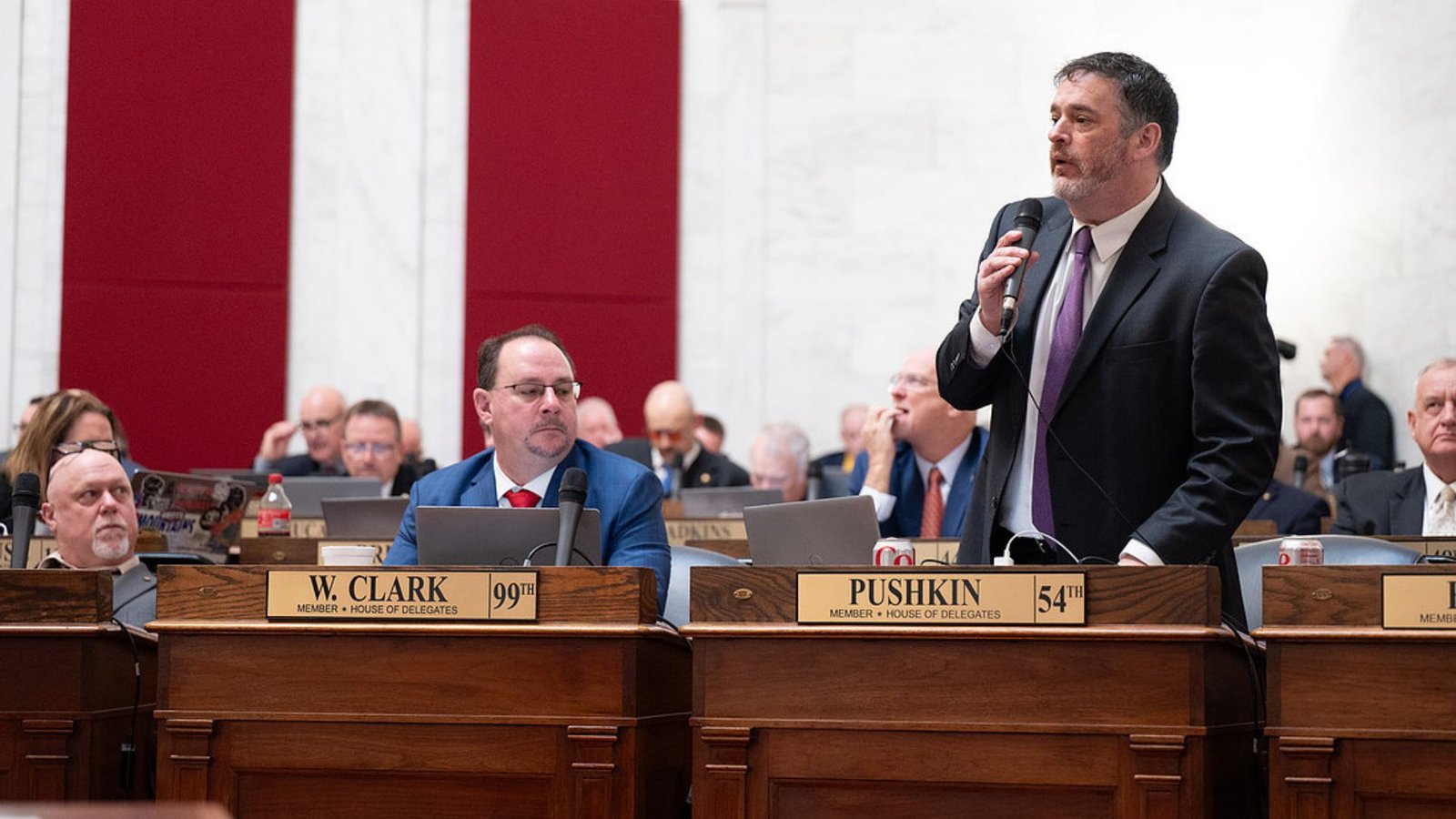
Takubo said there is “absolutely” a role for the West Virginia Legislature to offer more help to people once Medicaid enrollment declines, but lawmakers may not be convinced.
“What they believe the reality is versus what the reality actually is are two different things,” Takubo said.
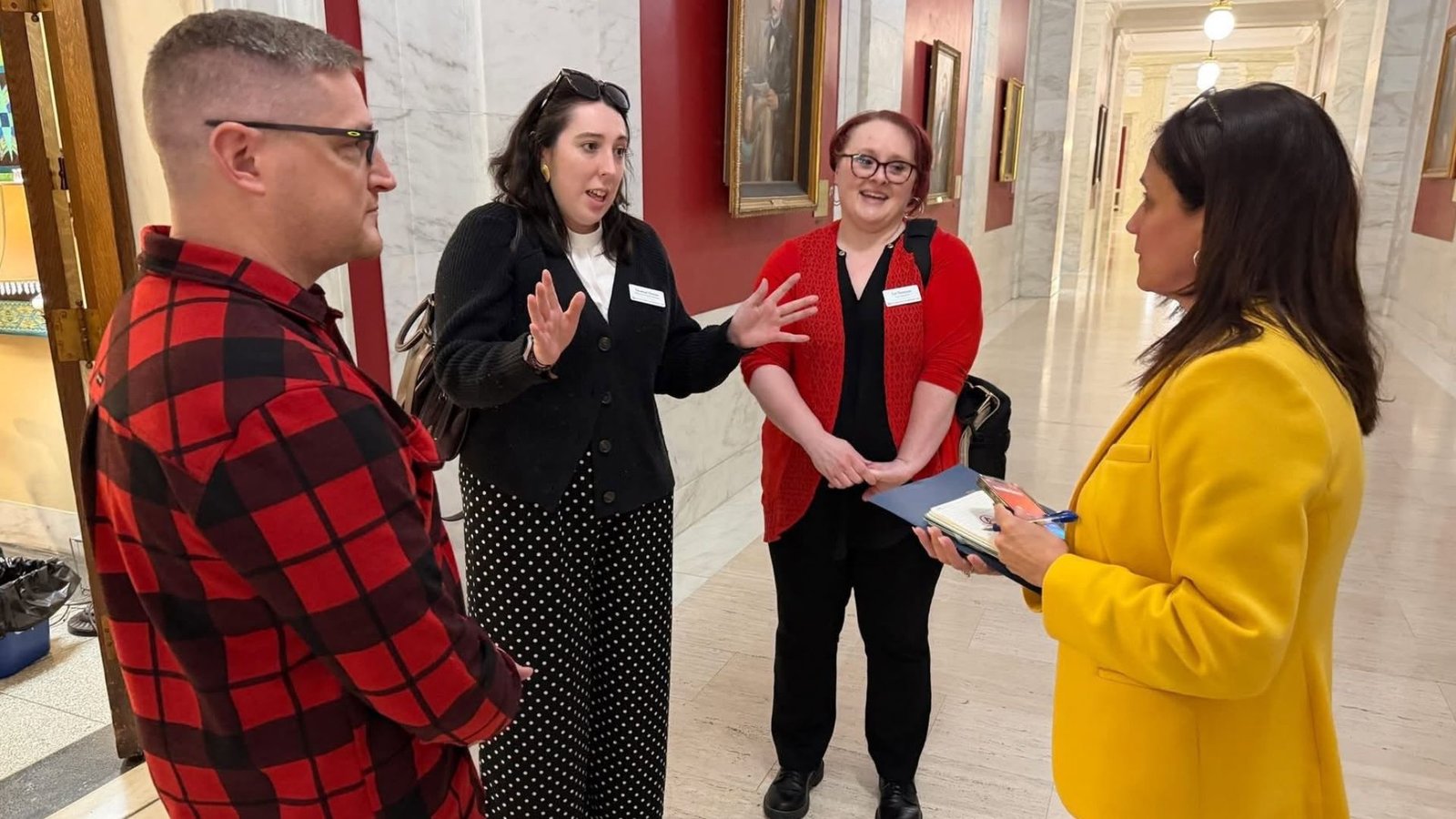
Takubo said more lawmakers should visit Health Right to see the need for healthcare firsthand.
“A lot of legislators say, ‘Well, these people should just go get a job.’ Well, that’s really easily said,” Takubo said. “There’s a lot of these people here that would love to have a job with health insurance.
“A lot of these people work really hard, they’re just not in jobs that offer health insurance,” he said. “That’s the part that I constantly stress: These are some of the hardest working people I’ve ever met, but they just don’t have jobs that offer health insurance, and so they go without.”
Brian Singleton, of Charleston, got new glasses at the clinic. Singleton had been on Medicaid but at his restaurant job he now earns too much money for Medicaid and not enough to be able to afford healthcare on his own, he said.
“I’m in the middle of having too much and not enough,” he said.
Bridget Nesselrotte, of Charleston, came to the clinic for a dental exam and flu shot. She’s in a drug recovery program, and just recently got a job after leaving a domestic violence situation, she said. The new job will offer health insurance, she said, but that will take time to get established.
“If you don’t have health, you don’t have nothing,” she said. “Because that’s the most important thing. To even recover or anything, you’ve got to have your health. Without your health, you can’t have any of the things you love.”
Lori Kersey is a reporter for West Virginia Watch, which is part of States Newsroom, a nonprofit news network supported by grants and a coalition of donors. West Virginia Watch maintains editorial independence. Contact Editor Leann Ray for questions: info@westvirginiawatch.com.