
West Virginia will continue drug testing adult recipients for a federal welfare program that helps low income families pay for food, utilities and other day-to-day necessities.
Less than 1% of the 23,351 people who applied for Temporary Assistance for Needy Families, or TANF, tested positive for drug use, according to 2025 data from the Department of Human Services. Of those applicants, 2,225 were referred to drug testing because of their answers to a drug use questionnaire or a past conviction of a drug-related offense.
Of those referred for testing, 209 people tested positive for drug use.
Gov. Patrick Morrisey earlier this year signed a Republican-sponsored bill indefinitely extending the drug testing program for TANF recipients.
On Monday, the Legislative Rule-Making Review Committee adopted the Human Services department’s proposed rules to carry out the drug screening process. There were no public comments on the proposed rules.
The department’s proposed changes included updating the sunset date and eliminating the word “pilot” since lawmakers opted to indefinitely extend the screening. It was originally scheduled to end Dec. 31.
“Taxpayer dollars should come with accountability,” said Del. Geno Chiarelli, R-Monongalia, who sponsored the House bill extending TANF drug screening. “This legislation is about ensuring that public assistance programs are operating responsibly, protecting the integrity of taxpayer-funded benefits, and helping those who need assistance get back on the path toward self-sufficiency.”
Chiarelli also serves on the Rule-Making Review Committee.
The drug screening program has cost the state about $41,000 since it started, according to DoHS.
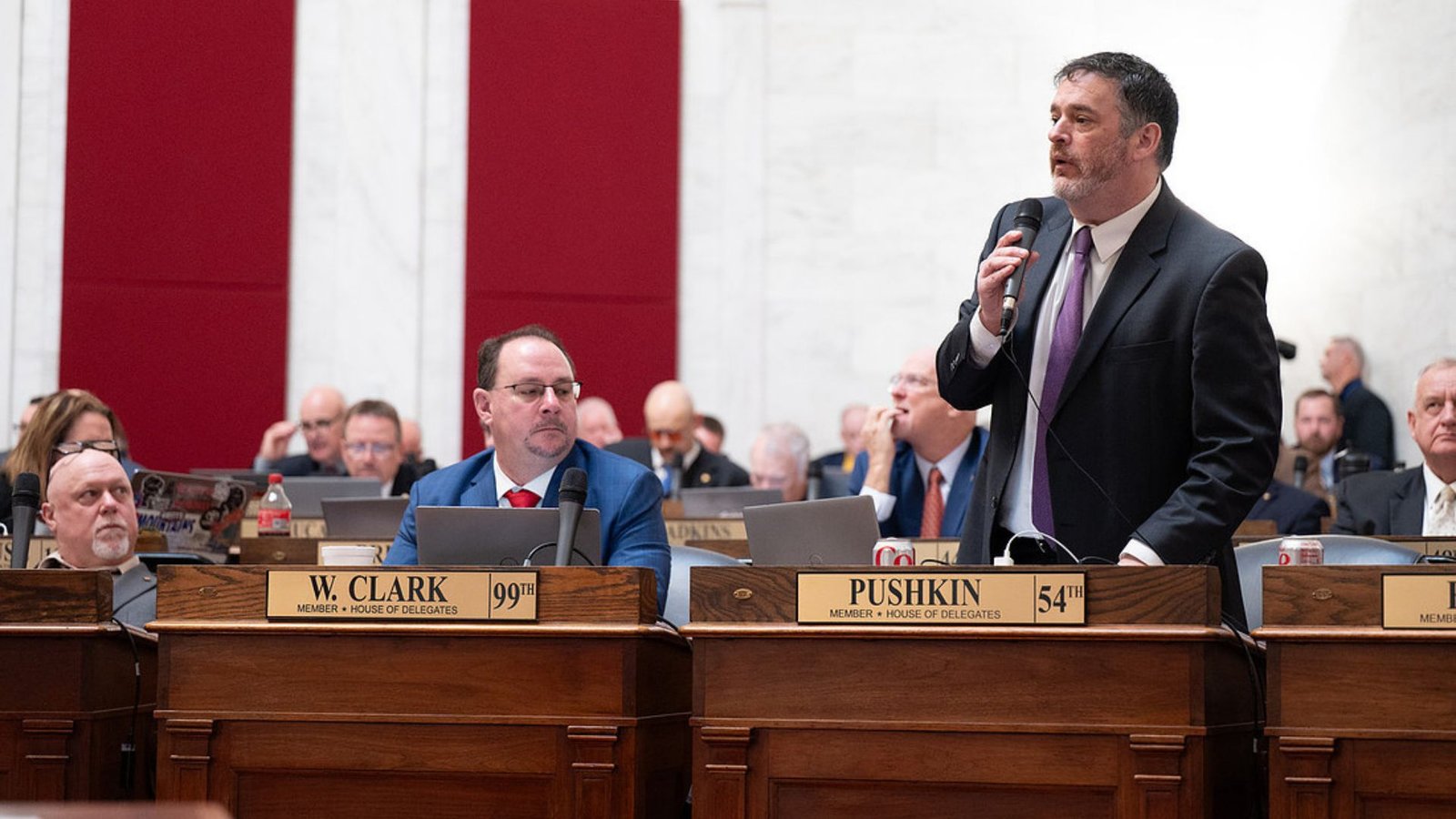
Del. Mike Pushkin, D-Kanawha, and other Democratic lawmakers in the House and Senate opposed Chiarelli’s bill during the legislative session earlier this year.
Pushkin noted that many TANF recipients in West Virginia are children.
“We should be focused on helping families get back on their feet, not putting up additional barriers,” Pushkin said. “We now have years of data showing that this drug-testing program hasn’t saved taxpayers money and more importantly hasn’t helped people into recovery. Those were the stated goals of the program, and it has failed on both counts. Why would I vote to double down on a policy that hasn’t accomplished what it was supposed to accomplish? We ought to be investing in approaches that actually work, not continuing a failed experiment just to score political points.”
In West Virginia, TANF’s cash assistance for families — known as WV WORKS — is only available to extremely impoverished families.
About 8,000 people use the program.
The state began screening WV WORKS applicants for substance use in October 2017 after state lawmakers mandated it. At the time, lawmakers who supported it argued that government assistance shouldn’t be used to support drug use.
A case worker makes the determination an applicant needs a drug test based on a drug-use questionnaire, which assesses potential drug use. An applicant convicted of a drug-related offense within the three years prior to the WV Works application is automatically required to take a drug test.
TANF recipients who fail a drug screening are required to complete a drug treatment program and job training in order to become eligible for benefits again.
Those receiving WV WORKS benefits must also fulfill work or training requirements in order to receive assistance.
West Virginia has a 60-month lifetime limit for receipt of TANF benefits.
The full Legislature will have to sign off on the Department of Human Services’ proposed rules that were approved by the rule-making committee on Monday.
Amelia Ferrell Knisely is a reporter for West Virginia Watch, which is part of States Newsroom, a nonprofit news network supported by grants and a coalition of donors. West Virginia Watch maintains editorial independence. Contact Editor Leann Ray for questions: info@westvirginiawatch.com.