
The air in the school gym smelled like homemade biscuits.
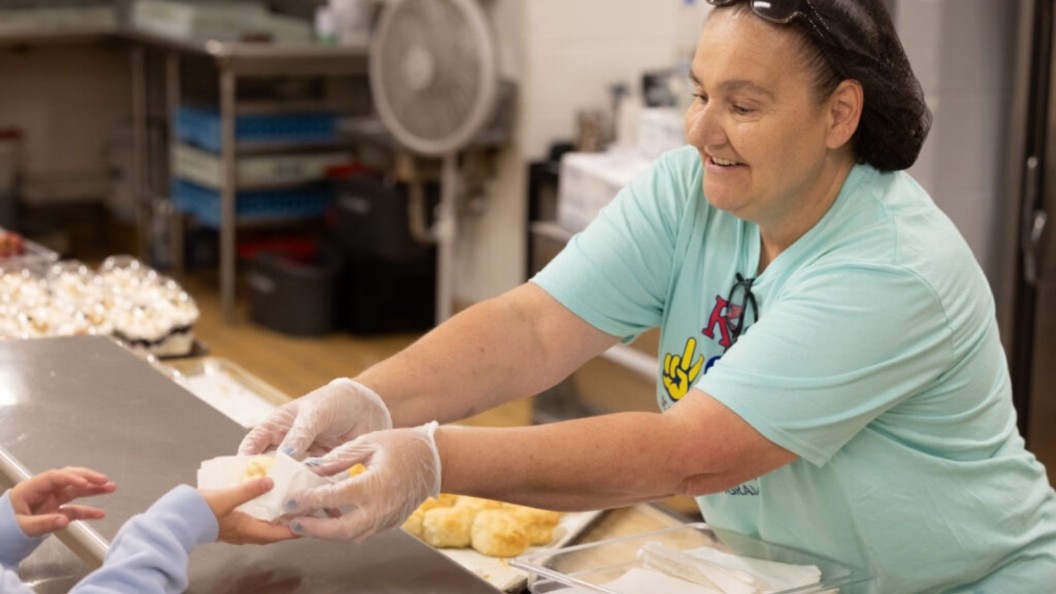
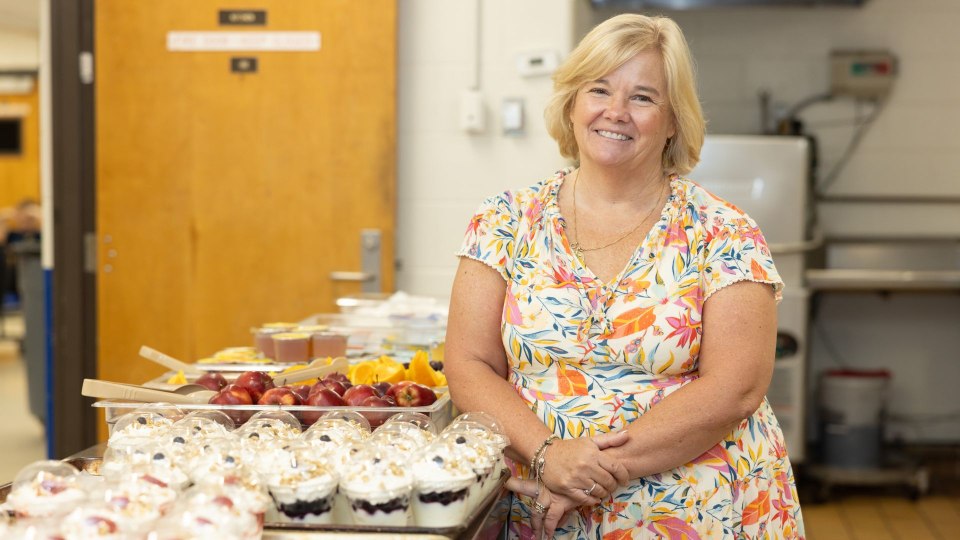
Kanawha County Schools cook Marsha Burns spent the morning at Elk Center Elementary in Charleston, West Virginia, making biscuits with a new white wheat flour produced in West Virginia. She added a crispy sausage patty from a local meat supplier.
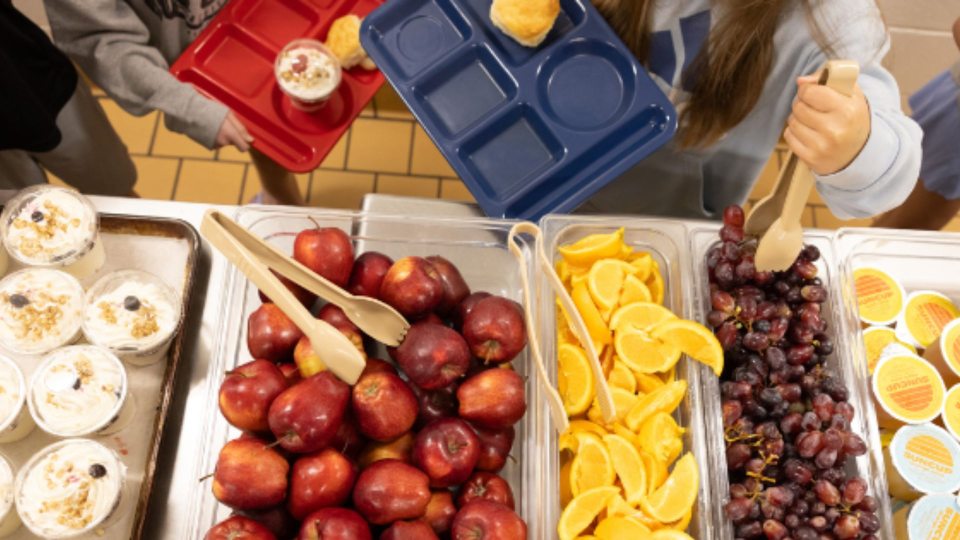
Later, dozens of children rushed into the kitchen to fill up their trays with breakfast food through a free summer program provided through the county school system.
“A lot of times this is the only time these kids will eat,” Burns said on June 10.
West Virginia has one of the nation’s highest child hunger rates, and one in five children face not having enough to eat. Most counties offer free breakfast and lunch to all students during the school year.
This summer, there are added strains on families trying to keep food on the table without the help of school year meal programs. Grocery prices rose 2.9% in April compared to the same month last year, according to government figures released in May. Fruits and vegetables have seen some of the biggest price hikes.
The West Virginia Department of Education is working with local partners this summer to provide statewide feeding sites for those 18 years old and younger, working to put together nutritious meals while navigating surging food costs. It is made possible through U.S. Department of Agriculture funding.
“It really has been skyrocketing pretty bad, but we try to give the kids what they don’t even get at home,” said Lori Lanier, a specialist for child nutrition with Kanawha County Schools.
In a news release, State Schools Superintendent Michele Blatt said meals will be readily available this summer across West Virginia. “This reassurance is important now more than ever,” she said.
Food assistance program changes likely to impact children
President Donald Trump’s One Big Beautiful Bill Act is also likely to impact child hunger in West Virginia after it included changes to food assistance for 36,000 low-income West Virginia residents. The state’s Supplemental Nutrition Assistance Program enrollment declined by 5.7% between enactment and February 2026 since the megabill was implemented.
During the COVID-19 pandemic, West Virginia children were automatically enrolled in a Summer EBT program that provides money for groceries. Now, automatic eligibility is tied to enrollment in federal anti-poverty programs or Medicaid. Everyone else must submit an application.
“Summer EBT has been a critical tool for helping put food on families’ tables during the summer when school meals are not available. The cuts Congress made to SNAP last summer via the One Big Beautiful Bill mean that the Summer EBT program will reach fewer children in West Virginia this year,” said Kelly Allen, executive director at the West Virginia Center on Budget and Policy.
Across the state, summer feeding programs are preparing for increased need.
In Preston County, 700 children have signed up to receive free meals this summer. The county’s summer feeding program will offer grab-and-go food boxes, providing 10 breakfasts and 10 lunches each time.
“We’ve seen an increase in need,” said Justin Hough, director of nutrition for Preston County Schools. He said that even if families receive state food assistance, the current inflation rate “doesn’t mean they’re able to make up for all those lost meals that they would rely on during the school year.”
The Lincoln County Family Support Center Big Ugly Community Center in Harts expects to serve dozens of students for eight weeks this summer with hot meals on site. The center sends students home with a backpack of non-perishable foods to feed them over the weekends.
“It’s very critical. It’s their source, because they don’t have it,” said Candy Vannatter, site director at the Big Ugly Community Center. The center’s food pantry is serving an increased number, too.
If you can't see feeding hungry children as a priority, it seems to say a lot about you.
— Sen. Mike Woelfel,
West Virginia Senate Minority Leader, D-Cabell
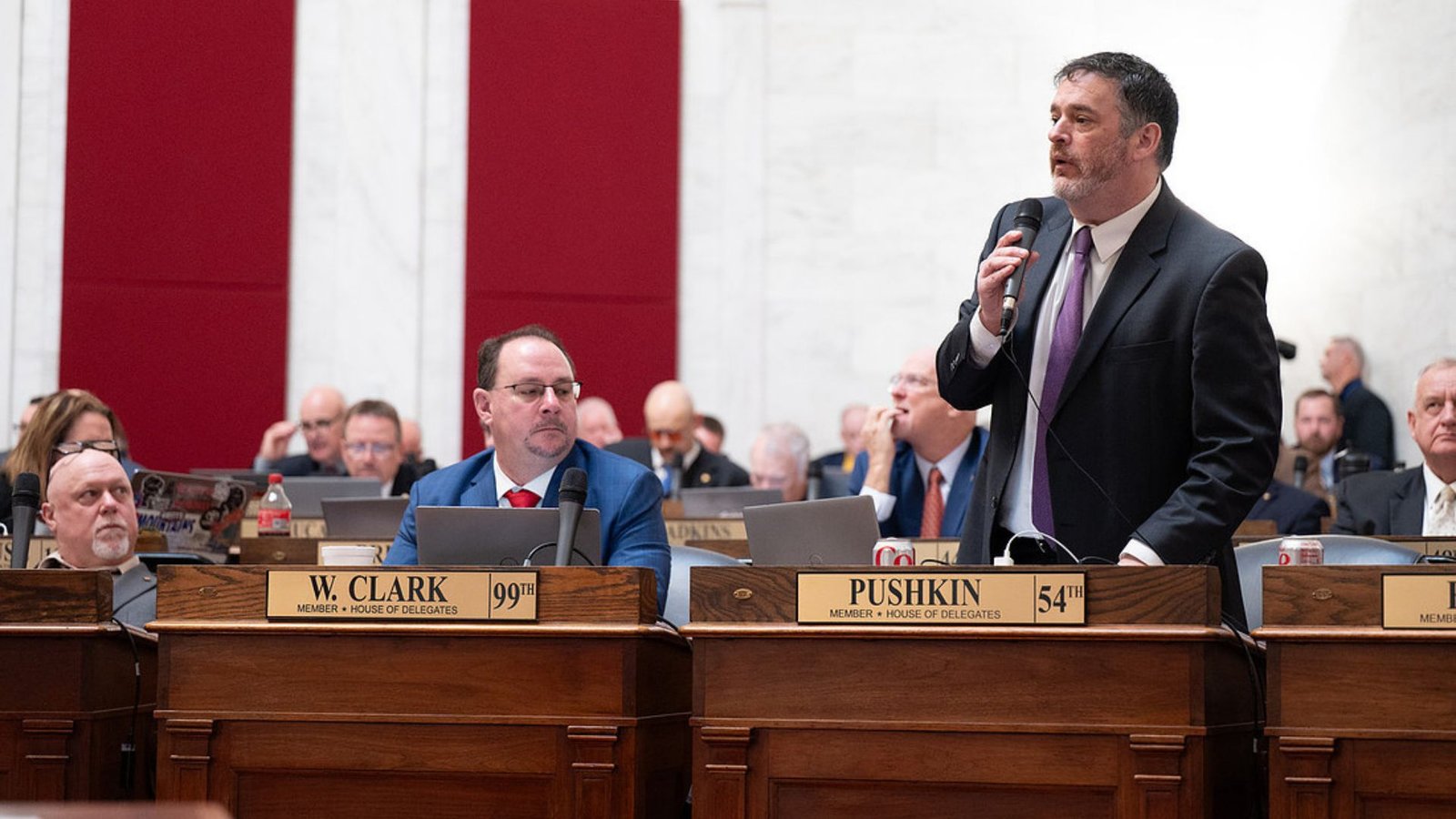
Senate Minority Leader Mike Woelfel, who is concerned about children accessing food in summer, has tried for years to convince the Legislature to establish a “Summer Feeding for All” program.
The measure didn’t mandate that counties establish summer feeding programs, but Woelfel wanted counties to work on identifying the number of children who are hungry to help local resources meet the demand.
The bill passed the Senate in 2023, 2024 and 2025 but wasn’t taken up by the House of Delegates. This year, Woelfel’s legislation got held up in the Senate Finance Committee under Republican leadership. The bill had a zero cost but was referred to that committee before it could come to the floor for a vote.
“I’m just disappointed,” said Woelfel, D-Cabell. “We spent more time in the Senate trying to pass legislation to compel the state police to sell hundreds of machine guns to West Virginians than we did on this bill.”
Woelfel is retiring this year after more than a decade in the Senate. He is hopeful other Senators will champion the bill next year.
“There’s so many people in the Legislature that always want to use the word, and I’ll put it in quotations, ‘Christian,’ but I know a couple of senators that have told me privately the government has no responsibility to take care of somebody’s kids, so that’s the great one of the great ironies of that place,” Woelfel said. “If you can’t see feeding hungry children as a priority, it seems to say a lot about you.”
Preparing children’s meals amid soaring grocery prices
Hough said the federal reimbursement rates for summer feeding groceries “aren’t quite keeping up with the rate of inflation.”
“We were at least very fortunate that our contract with our food distributor can only be increased to a certain amount throughout the course of the contract, so that has allowed us to offset some of our costs a little bit,” he said, adding a $9,000 grant from No Kid Hungry is helping offset costs. “But definitely we’re having to get a lot more creative in our meals and our meal patterns to try not to go over budget.”
Diane Miller, executive director of child nutrition for Kanawha County Schools, said their budget is up 15% for regular food costs as they operate 15 feeding sites for children up to 18 years old.
“We really have to refocus if we’re going to spend our money wisely,” she said. “We’re focusing on the quality items that I can find, but most importantly, I’m trying to find that we can use less paper along the way, or find an alternative.”
Miller plans to use many locally-produced meats and vegetables, like potatoes and green beans; the cooks have been helpful in learning new recipes with local products, she said.
“We only succeed when the students attend, and they are having a ball, and they’re actually helping me to pick what they want to see in the meals,” Miller said. “These programs are here now to help you stretch your dollar a little bit farther.”
Amelia Ferrell Knisely is an investigative reporter for West Virginia Watch, which is part of States Newsroom, a nonprofit news network supported by grants and a coalition of donors as a 501c(3) public charity. West Virginia Watch maintains editorial independence. Contact Editor Leann Ray for questions: info@westvirginiawatch.com.