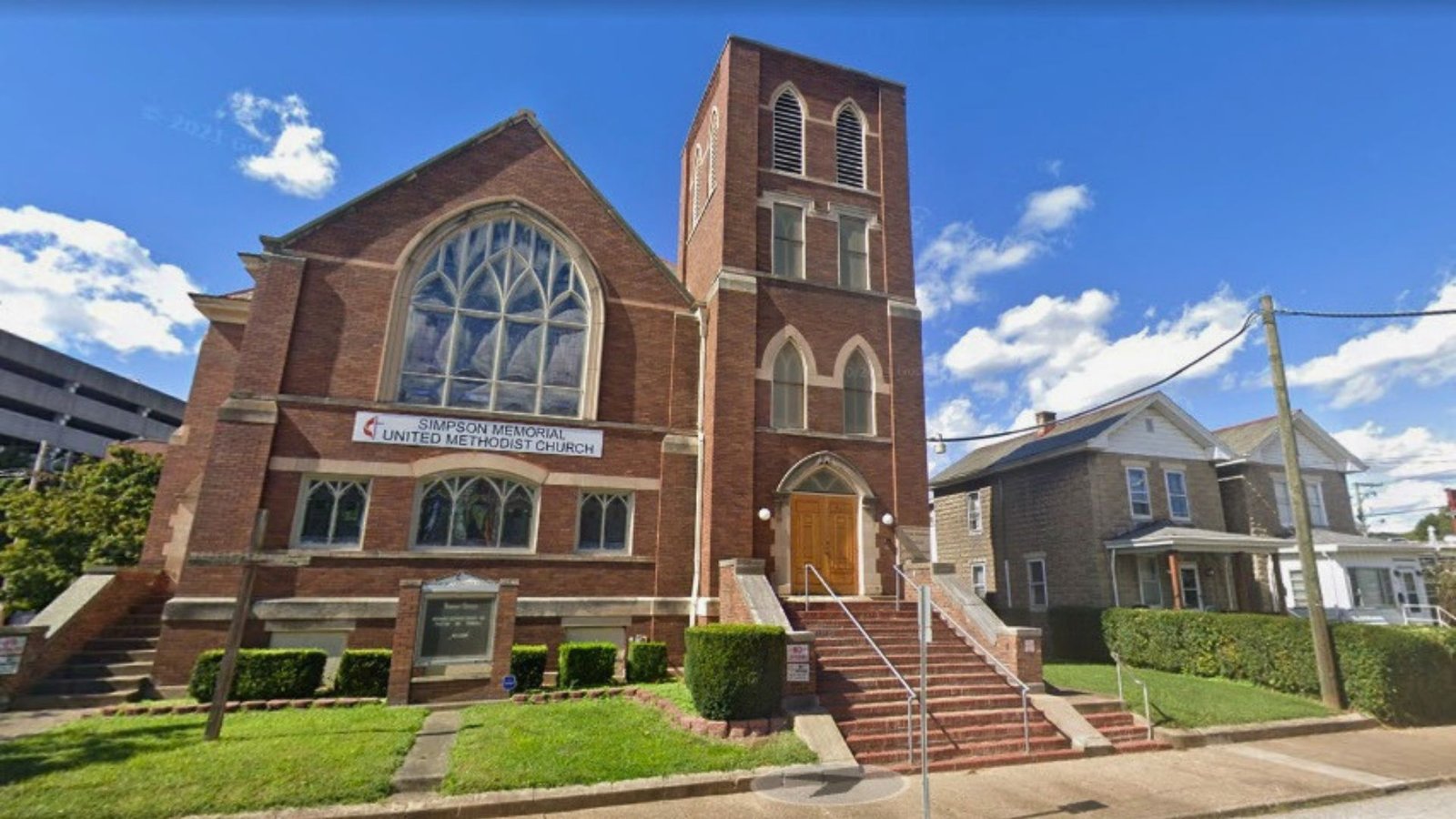
A Charleston church whose history began in a basement at the end of the Civil War is marking its 160th anniversary with a celebration of food, faith and local African American history.
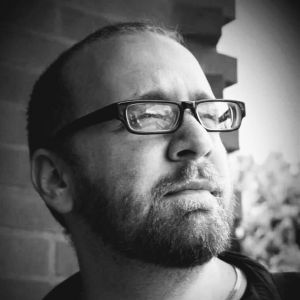
Simpson Memorial United Methodist Church, a historically Black congregation, will welcome Adrian Miller, a two-time James Beard Award-winning culinary author, for two events this weekend that draw on his work documenting African American food traditions and his background in religious leadership.
Miller will lead a dinner on Saturday, Oct. 17, at 5 p.m. Reservations are required and can be made by calling the church at 304-343-1873. He will return Sunday, Oct. 18, at 4 p.m. for a presentation titled "Theology and Soul Food," which is open to the public.
The events are part of a series of programs celebrating the congregation's 160th anniversary this fall.
From a church basement to 160 years of history
Simpson Memorial traces its beginnings to 1865, when Black worshippers gathered in the basement of the old Asbury Methodist Church, now Christ Church United Methodist. According to the church's anniversary announcement, those early services were led by white ministers.
A year later, the congregation received its first minister from the Black Washington Conference of the Methodist Church.
Around 1869, the congregation moved into a building on Quarrier Street near Capitol Street. By 1870, it had grown enough to build a church near the corner of Quarrier and Dickinson streets, according to the West Virginia Conference of the United Methodist Church's history of African American congregations.
A fire destroyed that building in January 1887. The congregation rebuilt on the same site, completing a new church in 1888.
During the early 20th century, Simpson Memorial stood amid a thriving African American neighborhood in downtown Charleston, surrounded by businesses and institutions serving the Black community.
Pharmacies, grocery stores, hair salons, funeral homes, schools and other churches once served the neighborhood, according to the church's history. Many have since disappeared.
Simpson Memorial remains a reminder of that period in Charleston's Black history.
Now known as the "Friendly Church," the congregation is marking its anniversary under the theme "Looking Outward with Hope."
Where food history meets faith
Miller, the featured guest at this weekend's 160th anniversary celebration, has spent much of his career documenting the contributions of African Americans to American food.
His 2013 book, "Soul Food: The Surprising Story of an American Cuisine, One Plate at a Time," won the James Beard Foundation Award for Scholarship and Reference in 2014.
He later explored the history of African American cooks who served the nation's first families in "The President's Kitchen Cabinet: The Story of the African Americans Who Have Fed Our First Families, From the Washingtons to the Obamas."
His book "Black Smoke: African Americans and the United States of Barbecue" won the 2022 James Beard Award for Reference, History and Scholarship and the Colorado Book Award for History.
Miller's career has also taken him from the White House to religious leadership.
From 1999 to 2001, he served as a special assistant to President Bill Clinton, working with a White House initiative focused on racial, religious and ethnic reconciliation. He later worked as a senior policy analyst for Colorado Gov. Bill Ritter Jr.
Today, Miller serves as executive director of the Colorado Council of Churches, where he became the first African American and first layperson to hold the position.