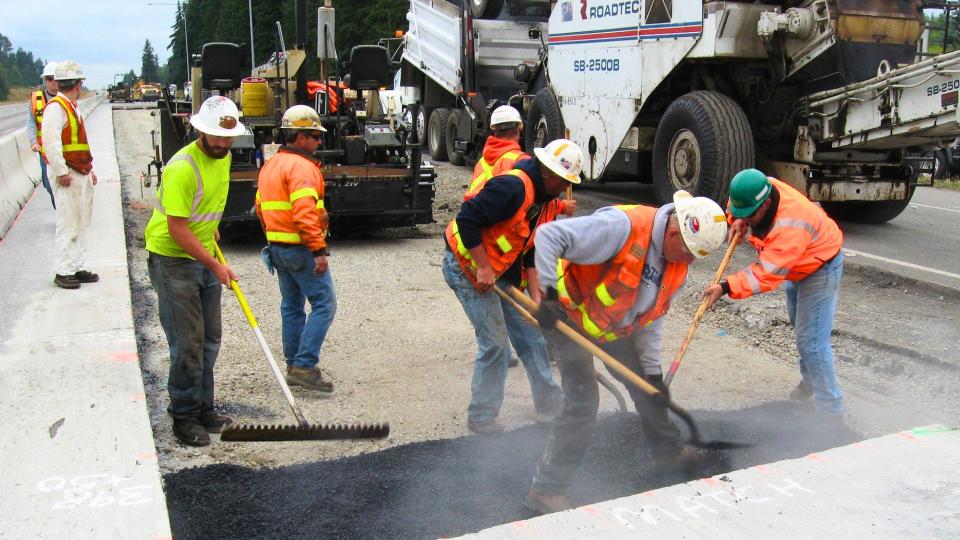

A newly paved street may look like a simple construction project, but city officials say each road resurfacing job begins months before paving equipment arrives.
The City of Charleston is highlighting the work that goes into planning its annual paving program, which includes evaluating road conditions, reviewing requests from residents and balancing limited funding across the city's neighborhoods.
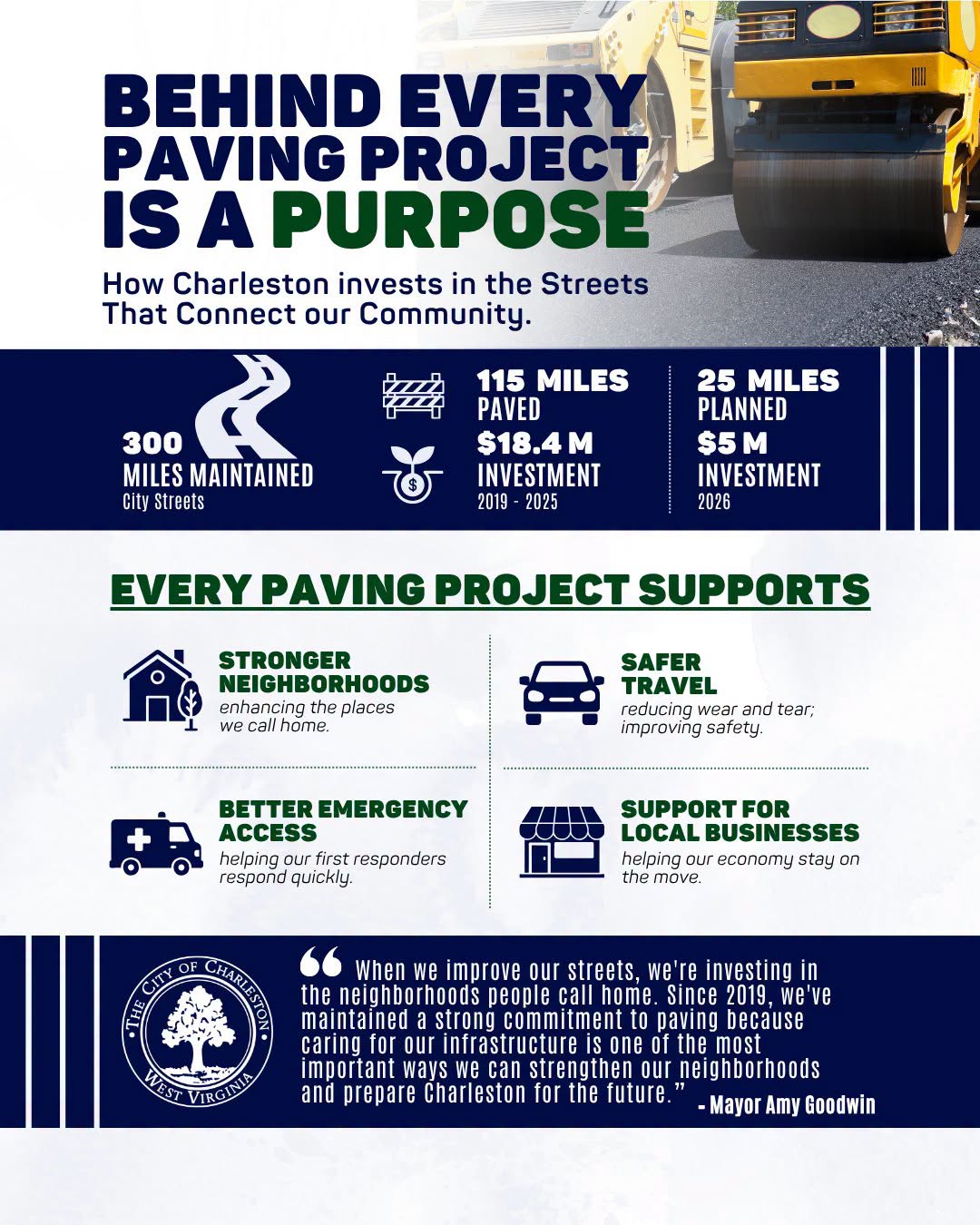
"Our streets connect people to work, school, businesses, parks, and one another," said Mayor Amy Shuler Goodwin. "Maintaining that infrastructure is one of the most important ways we care for our neighborhoods and the people who call them home."
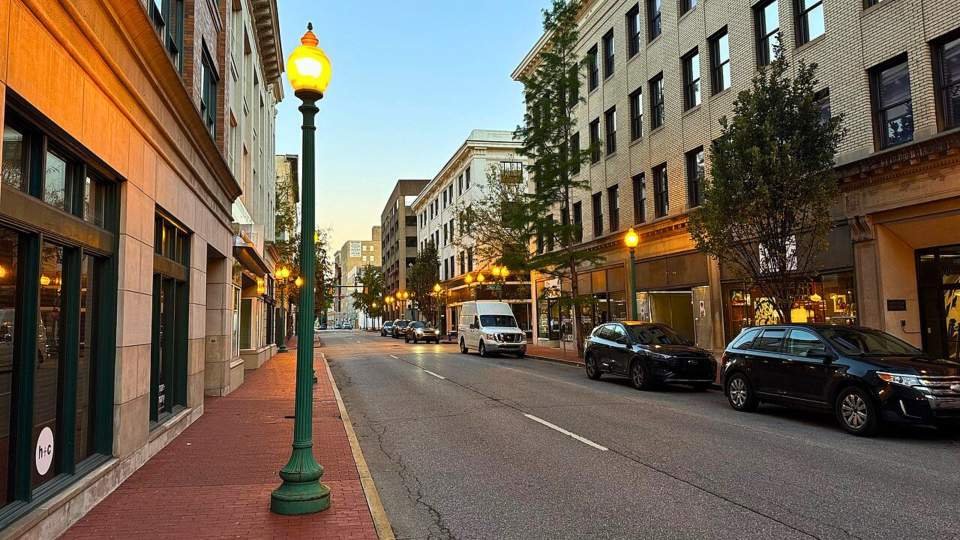
Since 2019, Charleston has paved more than 115 miles of city streets and invested more than $18.4 million in roadway improvements, according to information provided by officials. The city maintains about 300 miles of streets, meaning officials must decide each year which roads need repairs most.
Engineering staff inspect road conditions, identify the streets with the greatest need and work to spread paving projects throughout Charleston's wards. City officials said they also consider requests from residents and City Council members as they develop future paving schedules.
Not every road inside Charleston's city limits falls under the city's responsibility. Some streets are maintained by the West Virginia Division of Highways, while others are privately owned.
City officials pointed to Oakwood Road as an example of cooperation between the city and the state. Although the busy roadway serves three local schools, it is maintained by the Division of Highways rather than the city.
Officials said selecting a street for paving is only the first step. Before construction begins, city departments work with contractors to review drainage, coordinate schedules and address issues that could affect the project. They also meet with homeowners when necessary to discuss driveway connections, curb heights and stormwater drainage.
The city uses several methods to notify residents before paving begins, including door hangers, notices placed on parked vehicles, its online traffic information page and other communication channels. Officials said weather and unexpected conditions can delay projects but crews work to complete them as safely and efficiently as possible.
City Council member and former Charleston Fire Chief Chuck Overstreet said maintaining streets is important for more than improving driving conditions.
"Every minute matters when first responders are answering an emergency call," Overstreet said. "Maintaining our streets helps ensure police officers, firefighters, and EMS personnel can respond safely and efficiently when our residents need them most."
City officials said a newly paved street represents the final stage of a much larger effort to maintain Charleston's transportation network and make the best use of taxpayer dollars. Residents can review the city's 2026 paving list through the city's online Civic Clerk system.