

Last week during a Huntington City Council meeting, as council members voted 6-4 to sign a contract to add surveillance devices all over the city, the live feed began to shake. A member asked, “Is that thunder?”
“It’s your tax payers,” someone responded.
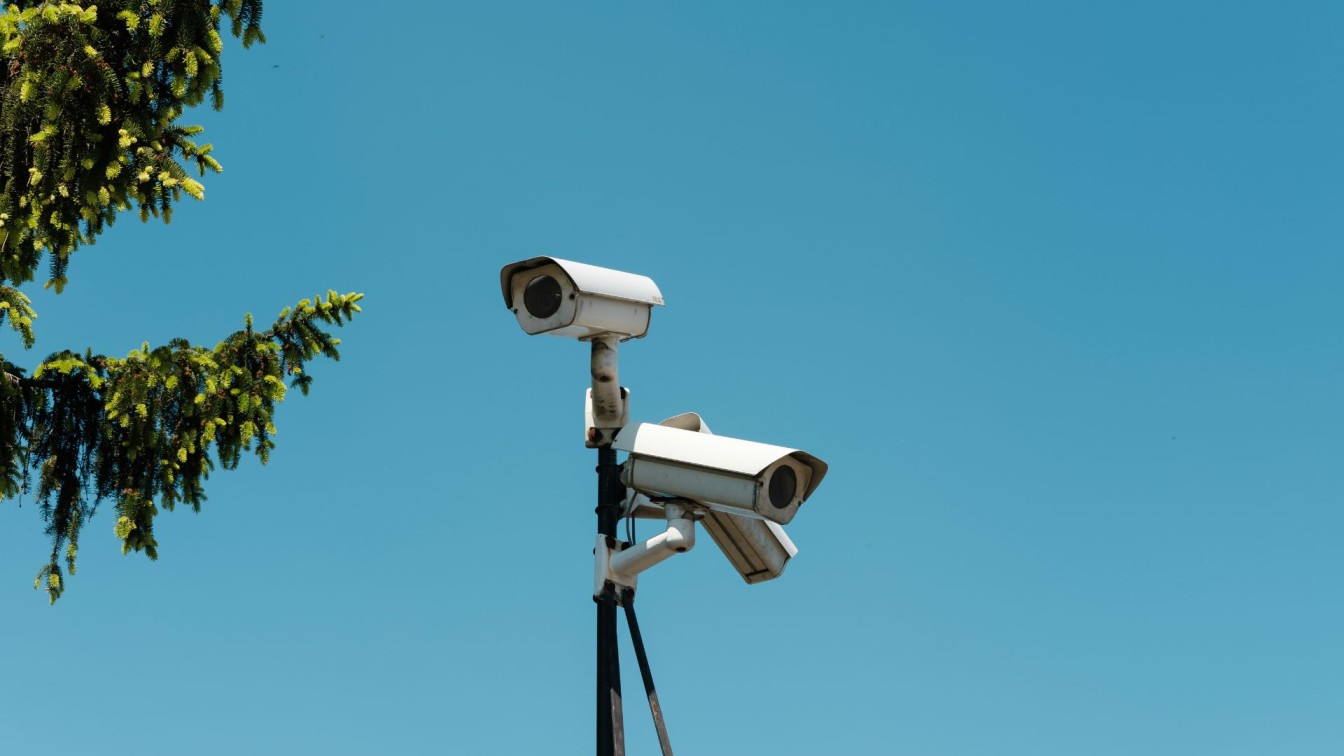
Dozens of residents attended the meeting to protest a contract with Flock Safety, which would cost the city $2.1 million over five years for audio detection, live video cameras, drone services and license plate reader cameras. Not all of the residents could fit into council chambers, so many were upstairs waiting as the meeting lasted from 7:30 p.m. Monday until nearly 4 a.m. Tuesday.
Two days later, the American Civil Liberties Union of West Virginia announced it was filing a lawsuit against the city and Mayor Patrick Farrell, a Republican.
Flock cameras have been around for less than a decade, but have been rapidly expanding. Last October, it was announced that Amazon’s Ring would partner with Flock, trying to spin the partnership as a way for people to help find lost pets. Customers didn’t buy it, and Ring canceled the partnership in February.
Private businesses are already using them throughout the state. A crowdsourced map by Deflock shows there are about 636 Flock cameras throughout the Mountain State.
Ever go to Target in Kanawha County? There are three advanced license plate reader cameras in the parking lots at the Trace Fork shopping center in South Charleston.
After the outcry in Huntington, news outlets all over the state are looking into Flock contracts. Putnam County entered into a contract with Flock in June 2025, and placed eight cameras, which have not been activated yet, according to WOWK. Putnam County Sheriff Bobby Eggleton said the project has been paused.
Obviously people are worried about privacy with these cameras, but as with other types of artificial intelligence, there’s a lot of room for error.
In Minnesota, a man was pulled over by four police cars after his car was flagged by Flock cameras as having stolen plates. It turns out, the license plate number had been entered into the National Crime Information Center database with incomplete numbers, and his plates were not stolen. The driver is a journalist who reviews vehicles, and gave a firsthand account of the experience of being tracked for days.
In Houston, residents cut down at least six of the Flock cameras. Here in West Virginia, a man in Morgantown was arrested for allegedly destroying several cameras.
Some places, like Los Angeles and Macon County, North Carolina, are ending their contracts with Flock Safety over privacy concerns.
The city of Newport, Kentucky decided that despite the benefits of the surveillance cameras during a pilot program, the police department would not enroll in the permanent program because the public had concerns about privacy, transparency, data retention, oversight and constitutional protections regarding the cameras.
Police misuse of the technology is a big concern, and has already been an issue in other states.
In Atlanta, more than 10 officers have been fired this year for misusing the license plate reader cameras. In South Carolina, two officers were fired, also for alleged misuse.
What does camera misuse mean? So far, it seems to mean police stalking people.
A police sergeant in Texas was accused of using license plate readers to “track and stalk a female officer.” He resigned.
An officer in Milwaukee looked up his ex’s license plate more than 50 times, and his ex’s former partner more than 100 times. He was sentenced to probation.
A second officer in Milwaukee was charged with misuse after searching for one license plate 17 times, and admitted to installing a GPS device on that person’s car.
I could go on and on. These reports are all just from this month.
The Institute for Justice reports that in the last two years alone, at least 24 police officers have reportedly used license plate readers to stalk romantic interests.
Between the privacy worries and the possibility of police misusing the cameras, the positives aren’t outweighing the negatives.
While Huntington City Council was presented a proposal for the devices about a month ago, a public records request by ACLU-WV Investigative Reporter Kyle Vass found emails between the city’s police department and Flock Safety going back “several months” talking about a “large deployment” of the equipment. Why was a plan being made before council even voted?
Localities in West Virginia need to look into what’s going on in other states with Flock. And if they’re not going to listen to residents’ disapproval, then they at least need to spend more time working on safeguards to make sure the technology won’t be abused.
Leann Ray is the editor of West Virginia Watch, which is part of States Newsroom, a nonprofit news network supported by grants and a coalition of donors as a 501c(3) public charity. West Virginia Watch maintains editorial independence. Contact Editor Leann Ray for questions: info@westvirginiawatch.com.