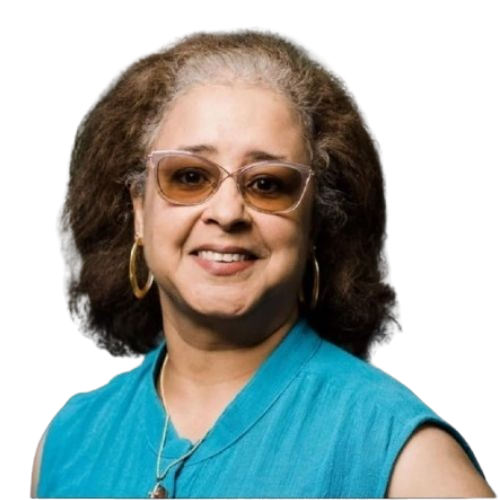
Malyka Knapp-Smith
Candidate for Charleston · City Council Ward 8
- Education
- Masters + 30 from Marshall University in English as a Second Langugage Dual Bachelors from WVSU in Spanish Education and Communications
- Occupation
- educator community activist
Born and raised in Ward 8, I am a third generation teacher and community activist. I graduated from Capital High School, WVSU and Marshall University. I was involved in student government in high school and in college. I volunteered for the Obama campaign in 2008. My late father was our Ward councilman for 12 years until his death. I am running to be a voice for the residents of Ward 8.
Why I'm running
I have been active in my community most of my life. I stood with my mom when I was a kid and she and other teachers were on strike. I served on student government in junior high, high school and college. I still live in my childhood home and I am running to represent my community because the residents of Ward 8 deserve someone who knows and understands them and will motivate them to use their voice and vote.
Beyond the ballot: Three questions
We asked candidates three questions about mistakes, disagreements and changing their minds. Their answers offer readers a look at how they reflect on their decisions, navigate difficult situations and approach public service beyond their policy positions.
1. A decision I got wrong
Tell us about a time you made a decision that you later realized was wrong. What led you to that decision, how did you respond when you recognized your mistake, and what did you learn from the experience?
Once I recognized my mistake, I took responsibility rather than making excuses. I revisited the decision, listened to the perspectives I had not fully considered, and worked to make the necessary adjustments. I also made a point of communicating openly with those affected and focusing on how to move forward constructively.
The experience taught me that good intentions do not always guarantee good outcomes. Effective leadership requires patience, thoughtful analysis, and a willingness to listen, especially when a decision affects other people.
2. Standing by my convictions
Describe a time you disagreed with someone whose support, approval or relationship mattered to you. How did you handle the disagreement, and what ultimately guided your decision?
3. Changing my mind
What is one belief or strongly held opinion you have changed your mind about? What caused you to reconsider your position, and how would that experience influence the way you serve in public office?
Listening to residents, learning from community partners, and recognizing the barriers people face have reinforced the importance of approaching challenges with humility and an open mind. I have learned that effective solutions require collaboration, evidence, and a willingness to adjust when something is not working.
As a public servant, I would listen before making decisions, seek input from all involved, and being willing to reconsider my position when presented with new information. I believe leadership is not about always being right; it is about being accountable, learning continuously, and making decisions that best serve our community.
Where I stand on the issues
Candidates rated their agreement with five statements about issues affecting their communities, using a scale of 1 (strongly disagree) to 5 (strongly agree).
City Council should be willing to approve public funding or financial incentives for the redevelopment of major privately owned downtown properties, even if doing so means less funding for other city priorities.
City Council should direct more funding toward rehabilitating vacant and deteriorating homes rather than demolishing them, even if rehabilitation costs more per property.
City Council should allocate more funding to housing assistance and homelessness services rather than expanding enforcement efforts targeting public camping and other activities associated with homelessness.
Charleston City Council should allocate more street paving and drainage funding to neighborhoods with the greatest documented infrastructure needs, even if that means some wards receive less funding than others.
Charleston should direct more public funding toward improving existing residential neighborhoods to attract and retain residents, even if that means reducing funding for downtown development projects.
Responses are presented as submitted by candidates. An unanswered item does not imply agreement or disagreement.