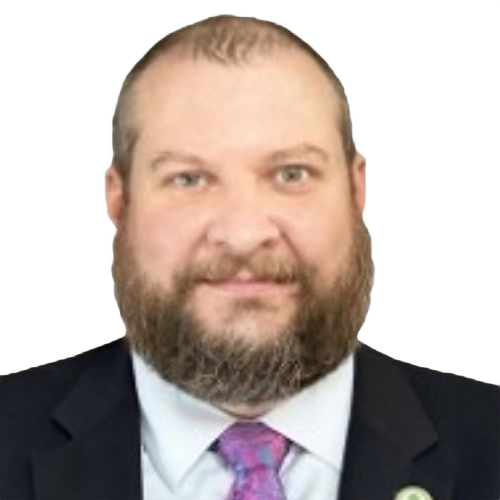
Joseph Jenkins
Candidate for Charleston · City Council Ward 12
- Age
- 47
- Education
- JD
- Occupation
- General Counsel, W. Va. Higher Education Policy Commission
Graduate of Shady Spring High School in Raleigh County and Concord University in Mercer County. Earned JD from the University of Oregon School of Law. Lived in Charleston for nearly 20 years on the same street, married for over 21, and have two children and two dogs. Volunteer as a neighborhood assistance officer with the Charleston Police Department.
Why I'm running
As the Chairman of Finance and City leader for almost 8 years, I have followed the same precept: folks want opportunity & to be able to raise their family in a safe, clean City. My goals are to invest in our infrastructure, care for our families, improve our quality of life, and support our local businesses. I have the experience to continue to support and pursue those goals.
Beyond the ballot: Three questions
We asked candidates three questions about mistakes, disagreements and changing their minds. Their answers offer readers a look at how they reflect on their decisions, navigate difficult situations and approach public service beyond their policy positions.
1. A decision I got wrong
Tell us about a time you made a decision that you later realized was wrong. What led you to that decision, how did you respond when you recognized your mistake, and what did you learn from the experience?
2. Standing by my convictions
Describe a time you disagreed with someone whose support, approval or relationship mattered to you. How did you handle the disagreement, and what ultimately guided your decision?
3. Changing my mind
What is one belief or strongly held opinion you have changed your mind about? What caused you to reconsider your position, and how would that experience influence the way you serve in public office?
Where I stand on the issues
Candidates rated their agreement with five statements about issues affecting their communities, using a scale of 1 (strongly disagree) to 5 (strongly agree).
City Council should be willing to approve public funding or financial incentives for the redevelopment of major privately owned downtown properties, even if doing so means less funding for other city priorities.
“Council should always be flexible and open-minded and should not dismiss potential solutions from the beginning. Nuance is important and some issues may be appropriately addressed in this manner while others would not be. But reasonable and feasible options should be adequately discussed and considered.”
City Council should direct more funding toward rehabilitating vacant and deteriorating homes rather than demolishing them, even if rehabilitation costs more per property.
“If the City can ensure rehabilitated structures are put in the hands of those that need them or can turn the properties into productive use, then I would agree. However, safeguards need to be implemented so that owners that have abandoned and failed to maintain their properties (ie absent landowners) are not rewarded for their dereliction of their responsibilities of ownership.”
City Council should allocate more funding to housing assistance and homelessness services rather than expanding enforcement efforts targeting public camping and other activities associated with homelessness.
“I think the City should expand both services/housing and enforcement as a comprehensive effort to address homelessness but a proper balance need to be struck and people treated with dignity. We need to continue to support the work of the CARE team and I believe a housing-first attitude should be instilled.”
Charleston City Council should allocate more street paving and drainage funding to neighborhoods with the greatest documented infrastructure needs, even if that means some wards receive less funding than others.
“This is essentially how it is done currently where the roads with the greatest needs are given priority.”
Charleston should direct more public funding toward improving existing residential neighborhoods to attract and retain residents, even if that means reducing funding for downtown development projects.
“My ward is almost entirely residential so this issue resonates with me. However, I do recognize that a strong downtown supports the surrounding residential communities. It is a balance.”
Responses are presented as submitted by candidates. An unanswered item does not imply agreement or disagreement.