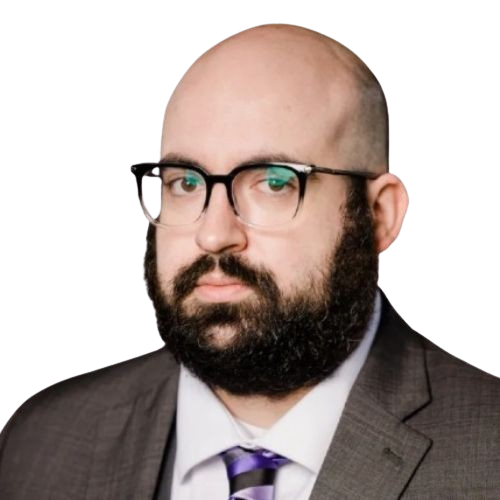
Frank H. Annie
Candidate for Charleston · City Council Ward 13
- Education
- PhD Georgraphy, Florida State University. Master of Public Administration, WVU. Master of Arts, Sociology, WVU. Bachelors of Arts, Sociology & Anthropology, WVU.
- Occupation
- Medical Researcher/Outcomes Research
I was born and raised in Charleston, West Virginia, and grew up in Kanawha City. I graduated from Capital High School in 2007 before continuing my education at West Virginia University, where I earned undergraduate and graduate degrees in sociology, anthropology, and public administration. I subsequently earned my PhD in Geography from Florida State University in 2019.
Charleston has always been my home, and my connection to the community has shaped my approach to public service.
I currently serve on Charleston City Council representing Ward 13. During my time on Council, I have worked with residents, city departments, and fellow council members to address concerns involving road paving, drainage, neighborhood infrastructure, public safety, property maintenance, code enforcement, and municipal services.
I believe one of the most important responsibilities of an elected official is to be accessible and responsive to residents. Local government has a direct impact on people’s daily lives, and I believe City Council should remain focused on delivering essential services, addressing neighborhood concerns, and maintaining responsible oversight of public resources.
My education in public administration and the social sciences has influenced my approach to government. I believe public policy should be informed by reliable information, practical considerations, fiscal responsibility, and an understanding of how decisions affect residents and businesses.
My wife and I call Charleston home. Having grown up here and served in local government, I have a personal connection to the city’s neighborhoods, history, and future.
Why I'm running
My fundamental belief is that government should create the best possible environment for both businesses and the people who live in our city.
A successful Charleston needs a strong local economy, thriving businesses, safe neighborhoods, reliable infrastructure, and a high quality of life for residents.
I do not believe economic development and residential quality of life should be viewed as competing priorities. They are closely connected.
Businesses benefit from communities where people want to live, work, and raise families, while residents benefit from a healthy local economy that provides employment, services, and opportunities.
I believe the role of city government is to establish conditions that encourage private investment, support local businesses, maintain essential infrastructure, protect public safety, and improve the quality of life throughout Charleston.
City government must also recognize the limitations of its resources. Not every challenge can be addressed through additional municipal spending, and not every economic development opportunity requires public financial assistance. Our responsibility is to evaluate each proposal carefully, work collaboratively with other levels of government, and make decisions that provide meaningful benefits to Charleston residents.
Beyond the ballot: Three questions
We asked candidates three questions about mistakes, disagreements and changing their minds. Their answers offer readers a look at how they reflect on their decisions, navigate difficult situations and approach public service beyond their policy positions.
1. A decision I got wrong
Tell us about a time you made a decision that you later realized was wrong. What led you to that decision, how did you respond when you recognized your mistake, and what did you learn from the experience?
No response provided.
2. Standing by my convictions
Describe a time you disagreed with someone whose support, approval or relationship mattered to you. How did you handle the disagreement, and what ultimately guided your decision?
No response provided.
3. Changing my mind
What is one belief or strongly held opinion you have changed your mind about? What caused you to reconsider your position, and how would that experience influence the way you serve in public office?
No response provided.
Where I stand on the issues
Candidates rated their agreement with five statements about issues affecting their communities, using a scale of 1 (strongly disagree) to 5 (strongly agree).
City Council should be willing to approve public funding or financial incentives for the redevelopment of major privately owned downtown properties, even if doing so means less funding for other city priorities.
“I believe government should create an environment where businesses can succeed and private investment can contribute to Charleston’s economic development. Downtown redevelopment can play an important role in strengthening our local economy, attracting investment, and supporting the city’s tax base.
However, I do not believe public financial incentives should be approved automatically or without careful consideration of their costs and benefits
Each proposal should be evaluated individually, including its potential economic impact, financial risks, long-term sustainability, and effect on other municipal priorities. Public-private partnerships may be appropriate when they provide a measurable public benefit, but the city must also protect its ability to maintain essential services and neighborhood infrastructure.
My position is that economic development and quality of life should support one another rather than compete for limited public resources.”
City Council should direct more funding toward rehabilitating vacant and deteriorating homes rather than demolishing them, even if rehabilitation costs more per property.
“I believe maintaining Charleston’s existing housing stock is important for neighborhood stability, property values, and long-term population retention.
Whenever practical, I support rehabilitating vacant and deteriorating homes to preserve existing housing and strengthen residential neighborhoods. However, some properties have deteriorated beyond reasonable repair and may present serious public safety concerns.
In those circumstances, demolition may be the most responsible option.
I believe these decisions should be made individually, considering structural conditions, rehabilitation costs, public safety, the surrounding neighborhood, and the long-term financial impact on the city.
Our goal should be to create safe, attractive neighborhoods where residents want to live and where private investment is encouraged.”
City Council should allocate more funding to housing assistance and homelessness services rather than expanding enforcement efforts targeting public camping and other activities associated with homelessness.
“I believe Charleston is doing the best it can to address homelessness with the resources currently available. However, homelessness is a much larger issue that extends beyond the boundaries and financial capabilities of any single municipality.
While Charleston has a responsibility to provide assistance, maintain public safety, and work toward practical solutions, the city cannot be expected to address this complex issue alone.
I believe the West Virginia Legislature and the federal government must take a greater role in providing funding, resources, and coordinated support to local communities.
Addressing homelessness requires cooperation among municipal, state, and federal governments, along with community organizations and service providers. We must balance compassion for individuals experiencing homelessness with our responsibility to maintain safe and accessible public spaces.
Ultimately, Charleston should continue doing what it can with its available resources while advocating for greater state and federal assistance to address the broader causes of homelessness.”
Charleston City Council should allocate more street paving and drainage funding to neighborhoods with the greatest documented infrastructure needs, even if that means some wards receive less funding than others.
“Road paving, drainage, and neighborhood infrastructure are among the issues I regularly address as a member of Charleston City Council.
I believe infrastructure funding decisions should be guided by documented road conditions, drainage problems, engineering assessments, traffic safety considerations, and the severity of existing needs.
However, I also believe every ward deserves appropriate attention and that infrastructure concerns throughout Charleston should be addressed fairly.
Some neighborhoods have more immediate needs than others, but funding decisions should be transparent and based on objective criteria rather than political considerations.
I support an approach that balances urgent infrastructure needs with long-term maintenance planning and ensures that no neighborhood is consistently overlooked.
Reliable infrastructure is one of the most basic responsibilities of municipal government. Maintaining our roads, drainage systems, and public facilities improves residents’ quality of life while also creating a better environment for local businesses and future investment.”
Charleston should direct more public funding toward improving existing residential neighborhoods to attract and retain residents, even if that means reducing funding for downtown development projects.
“I believe the city should create the best possible environment for both businesses and residents. A thriving downtown and strong residential neighborhoods are not competing goals; both are necessary for Charleston’s long-term success.
Investments in neighborhood infrastructure, public safety, housing, and municipal services directly affect residents’ quality of life and the city’s ability to attract and retain families.
At the same time, downtown redevelopment can support businesses, employment opportunities, property values, and the municipal tax base.
I do not believe Charleston should automatically prioritize one area at the expense of the other.
Instead, I support evaluating projects based on documented community needs, potential economic benefits, financial sustainability, and their long-term contribution to the city.
Our focus should be on strengthening Charleston as a whole, recognizing that healthy residential neighborhoods support economic growth and that a strong local economy provides resources and opportunities for residents.”
Responses are presented as submitted by candidates. An unanswered item does not imply agreement or disagreement.