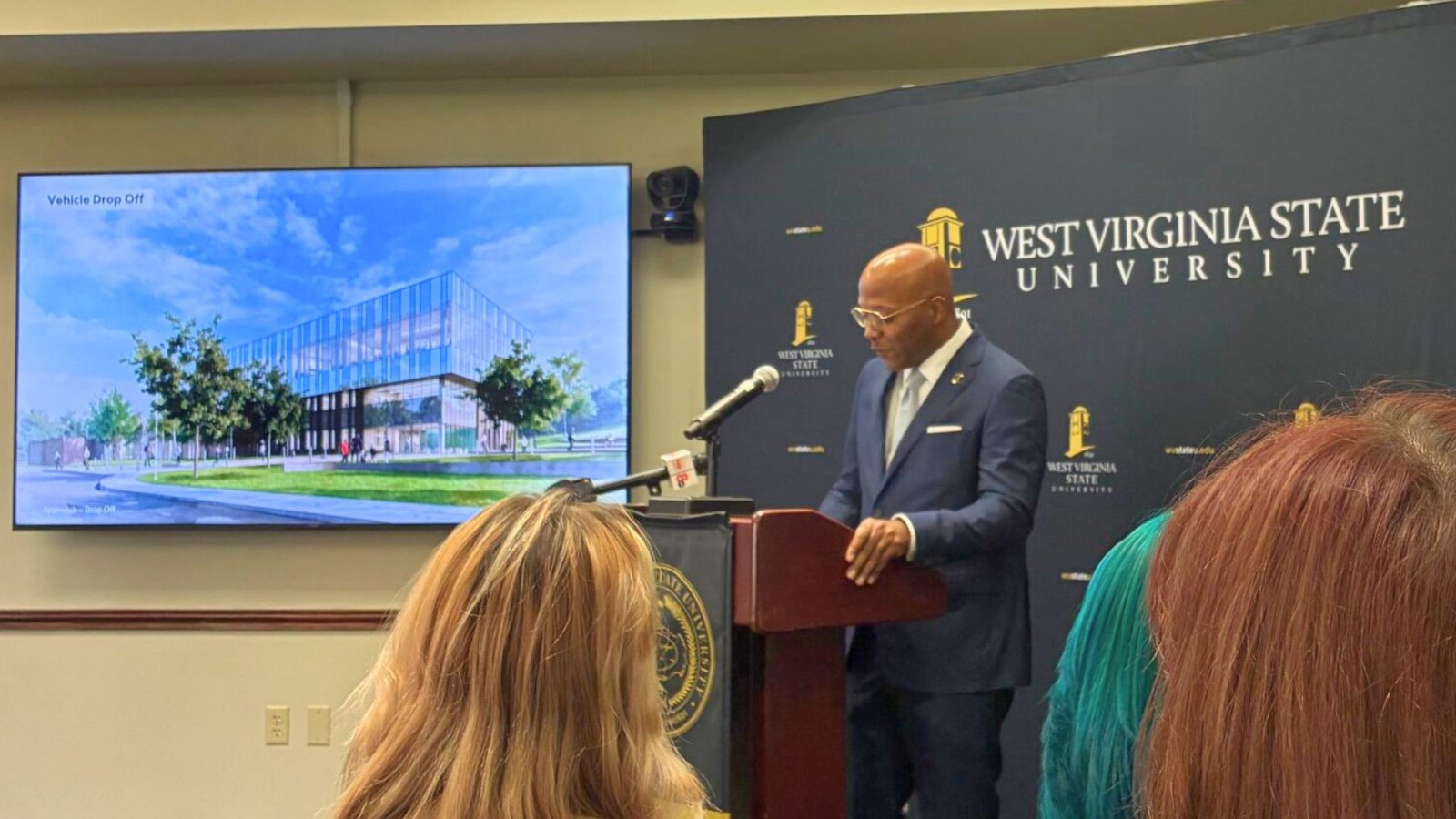


West Virginia Superintendent of Schools  Michele Blatt is introducing the state's Artificial Intelligence (AI) and Digital Science Framework to educators during professional development sessions taking place this week at the Charleston Coliseum and Convention Center.
The framework is the first of its kind in the nation, according to state educational officials. It outlines an approach to AI literacy and digital science education that aims to equip students with the knowledge, skills, and credentials needed for a rapidly changing workforce. It also provides educators with tools to improve efficiency and personalize learning for students.
Earlier this year, Blatt testified before a U.S. House of Representatives subcommittee about the state's approach to AI. She discussed West Virginia's strategy for using AI while protecting students, their data and educational integrity.
The framework is the result of years of planning, collaboration and development, officials said. It defines digital science as including computer science, AI literacy, data reasoning, cybersecurity awareness, media literacy and the practical use of digital technologies. The framework is designed to help educators prepare students with the AI and digital science knowledge needed for future careers, according to state education leaders.
The West Virginia AI and Digital Science Framework creates a statewide structure for implementing AI and digital science education. It focuses on two primary goals: responding to the rapidly changing technology landscape and establishing best practices as a leader in rural AI readiness, workforce development and digital science education.
The framework also includes three statewide commitments:
- Every student will have access to AI literacy learning experiences and digital science instruction before graduation.
- Every county will build local AI training capacity through a train-the-trainer model for educators.
- Every approved career pathway will align with employer needs, postsecondary opportunities and portable or verified credentials.
The West Virginia Department of Education is launching the framework through three educator and staff development events this week. The sessions include orientation opportunities for new county central office employees; the Support, Appreciate, Invest, and Learn (SAIL) Conference; and the launch of the West Virginia Middle Schools: Bridging the Future Initiative. The events are designed for K-12 educators, professionals, paraprofessionals, service personnel and others who support schools.
"West Virginia is a national leader in developing a framework for AI and digital science education," Blatt said in a statement. "We are determined to elevate our model because it prepares students and educators for the future."
Prodigy Learning, a global technology company, is providing West Virginia educators with in-person and virtual training on its products, according to a press release. The company works in partnership with Microsoft and will provide the materials required for license renewal at no additional cost, officials said.
"Our partners at Prodigy Learning and Microsoft understand this commitment and believe, as do we, that our work has national implications for accessibility and scalability because we are building systems that address learning at all levels that lead to post-graduation success," Blatt said.